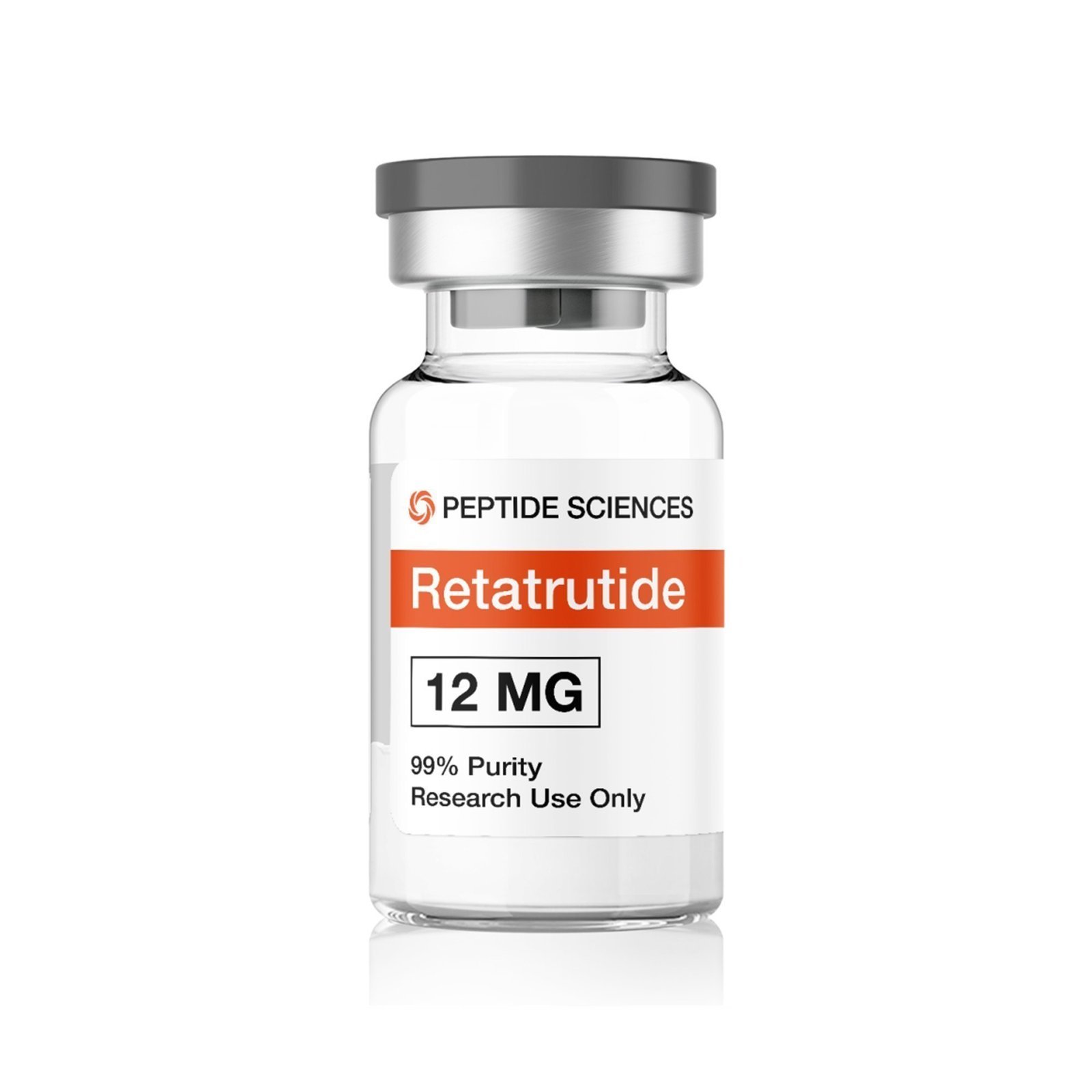
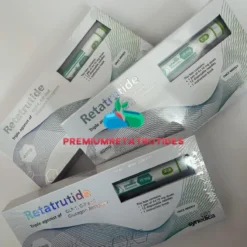
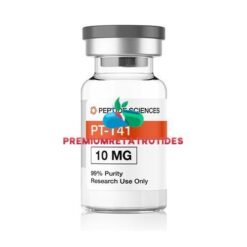
Retatrutide 12mg
$120.00
- Medullary Thyroid Carcinoma (MTC) and Multiple Endocrine Neoplasia syndrome type 2 (MEN 2): Similar to other GLP-1 agonists, Retatrutide may pose a risk in individuals with a personal or family history of MTC or MEN 2.
- Previous severe hypersensitivity reaction to Retatrutide or any of its excipients: If an individual has experienced a severe allergic reaction, such as anaphylaxis or angioedema, to Retatrutide or any of its components, it should not be used
- Weight loss: Participants receiving the 12 mg dose experienced an average weight loss of approximately 24% over 48 weeks. At 24 weeks, the average weight loss was 17.5%. A quarter of the patients lost more than 30% of their body weight at 48 weeks with the 12 mg dose.
- Liver fat reduction: The 12 mg dose resulted in an 86% relative decrease in liver fat at 48 weeks in participants with obesity and metabolic dysfunction-associated steatotic liver disease (MASLD). 93% of patients in this group achieved liver fat content of less than 5% at 48 weeks.
- Improved blood sugar control: In a study with participants who had type 2 diabetes, those taking 4-12 mg of retatrutide showed a reduction in HbA1c (a measure of blood sugar control) of 1.3% to 2.0% after about six months.
Dosage and administration
Retatrutide is administered as a once-weekly subcutaneous injection. Dosage is typically initiated at a lower amount and increased based on individual response and tolerability.
Side effects
The most common side effects of Retatrutide are gastrointestinal, including nausea, vomiting, diarrhea, and constipation, similar to other GLP-1 agonists. These are often mild to moderate and may be mitigated by initiating treatment with a lower dose. Increases in heart rate were reported in some clinical trials, particularly with higher dosages, with a peak around 24 weeks followed by a decline.
Important considerations
- Retatrutide is an investigational drug and is not yet approved by the FDA.
- It is crucial to consult with a healthcare professional before considering any weight loss treatment, including medications like Retatrutide.
- Obtaining Retatrutide outside of approved clinical trials or prescriptions is not recommended due to potential risks associated with unregulated products.
Disclaimer: This information is for general knowledge and should not be taken as medical advice. Consult with a healthcare professional before starting any new supplement regimen.
Be the first to review “Retatrutide 12mg”
Related products


Reviews
There are no reviews yet.